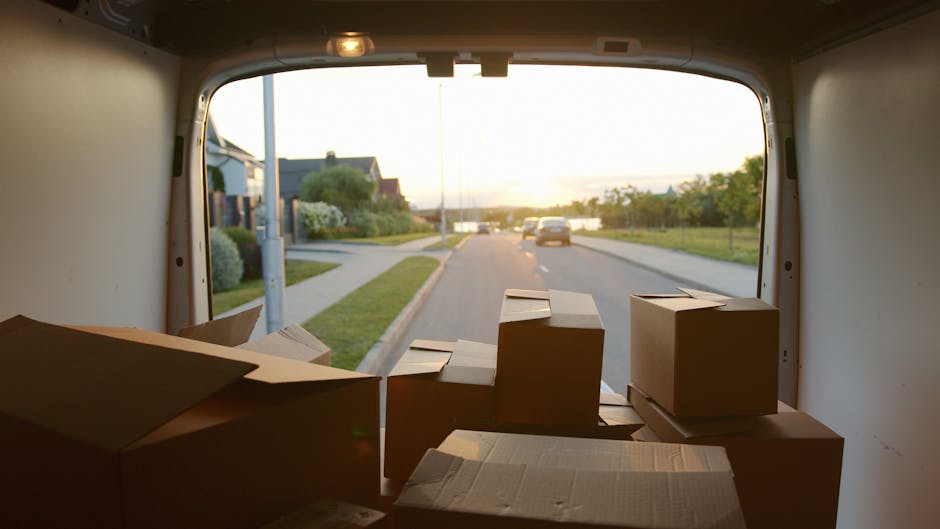
Wimbledon SW19 Narrow-Street Moves: Van Size & Access Guide
Moving in Wimbledon sounds straightforward until you meet a terraced street, parked cars on both sides, and a van that is just a bit too ambitious for the turning space. That is where a proper Wimbledon SW19 Narrow-Street Moves: Van Size & Access Guide saves time, stress, and a few avoidable headaches. In SW19, the difference between a smooth move and a frustrating one is often not the distance at all. It is access, van size, loading time, and how well the route is planned before the first box is lifted.
This guide breaks down what matters in practical terms: how to judge the right van, what narrow-street access really means in Wimbledon, where delays usually happen, and how to prepare so your move feels controlled rather than chaotic. If you are comparing service options, you may also find it useful to look at man and van support for smaller moves, a flexible man-with-van option, or removal truck hire for larger jobs. Different streets, different loads, different realities. Simple as that.
Why Wimbledon SW19 Narrow-Street Moves: Van Size & Access Guide Matters
Wimbledon has a mix of housing stock that can be lovely to live in and awkward to move through. You get period homes, converted flats, maisonettes, tight front gardens, and streets where one wrongly parked vehicle changes everything. In SW19, access is often the hidden cost of a move. Not financial cost alone, but time, energy, and the risk of damage when a larger vehicle simply does not fit the situation.
Why does van size matter so much? Because a van that is too large can increase waiting time, create parking problems, and make loading harder in a narrow road. A van that is too small may mean multiple trips, more lifting, and a longer total move. Neither option is ideal when you are already juggling keys, family schedules, or a handover deadline. And let's face it, moving day already has enough drama without adding a reverse manoeuvre into a tight Wimbledon cul-de-sac.
Access matters for more than convenience. It affects whether the team can park close enough to the property, whether furniture can be carried safely, and whether your move stays on schedule. A good plan considers the street width, nearby bends, one-way systems, driveways, steps, hallway space, and even the time of day. Some of that sounds minor until you are standing at the kerb with a sofa that will not fit through the front door unless it is angled, rotated, and handled carefully.
Expert takeaway: In narrow-street moves, access planning is not a nice extra. It is the thing that decides whether the day feels orderly or painfully slow.
For larger household moves, people often choose a broader removals setup such as home moves support or house removalists, especially when there are stairs, larger appliances, or several rooms of furniture. For smaller, tighter jobs, a compact vehicle and careful loading plan may be the smarter route.
How Wimbledon SW19 Narrow-Street Moves: Van Size & Access Guide Works
The process is more practical than technical, though there is a bit of both. First, the mover assesses what is being moved and where it is coming from. Then they consider how the vehicle can legally and safely access the property. Only after that should van size be confirmed. In a place like Wimbledon, that order matters. Guessing the vehicle first and sorting access later is backwards, and usually expensive in time.
Here is the basic logic. Small loads do well with smaller vans because they can thread into tighter spaces, fit closer to entrances, and reduce the chance of blocking traffic. Medium moves may need a larger van if there are bulky items, but only if the route and stopping point allow it. Large moves may need a removal truck, yet the truck is only sensible if the street, turning circle, and parking position make it workable. No one wants a lorry sat half-on, half-off a narrow road because the plan assumed everything would somehow work out.
A good access guide should check a few practical points:
- Whether the road is narrow enough to restrict a larger vehicle
- Whether there is permitted parking near the property
- Whether access is affected by school runs, commuters, or busy periods
- Whether there are low trees, sharp bends, gates, bollards, or height limits
- Whether furniture must be carried a long distance from the van
- Whether the property has steps, shared hallways, or limited front access
In commercial or office settings, access checks become even more important because timing is tighter and equipment may be more delicate. If that sounds familiar, office relocation services and commercial moves support are worth reviewing. The same access logic applies, only with more boxes, more coordination, and usually fewer chances to shrug and make it up on the spot.
The best moves use a simple sequence: measure, assess, choose, load, protect, and only then lift. It is not glamorous. But it works.
Key Benefits and Practical Advantages
Choosing the right van size and access plan for a narrow Wimbledon street brings more benefits than people expect. The obvious one is less stress, but there are several others hiding underneath.
- Fewer delays: The right van can park nearer to the property, so loading and unloading take less time.
- Lower risk of damage: Shorter carrying distances mean fewer bumps against walls, bannisters, doors, and the van itself.
- Better labour efficiency: If the team is not walking boxes half a street, they can focus on safe handling.
- Cleaner planning: A suitable vehicle reduces the chance of needing a second trip or emergency reshuffling.
- Less disruption to neighbours: Narrow roads are shared spaces, and considerate access helps keep the peace.
There is also a real psychological benefit. When the access plan is clear, the day feels calmer. You know where the van is going, who is carrying what, and why the furniture is being loaded in a particular order. That sense of order is underrated. Moving is tiring enough without uncertainty creeping in every ten minutes.
For some customers, the advantage is flexibility. A compact vehicle can often handle furniture pick-up jobs, partial house moves, or same-day collections where a full truck would feel excessive. If that is your situation, a service like furniture pick-up may be a more sensible fit. For others, the benefit is scale: larger moves need a vehicle that can actually carry everything in one managed run, which is why moving truck support can be the better choice when the load is substantial.
In short: the right setup saves more than time. It protects the move as a whole.
Who This Is For and When It Makes Sense
This guide is for anyone moving in or around Wimbledon SW19 where access is tight, street parking is limited, or the property layout makes loading awkward. That includes flat moves, family homes on residential roads, student relocations, downsizing, office transfers, and furniture-only jobs. If you have ever stood in a doorway wondering how on earth a wardrobe is meant to get out, you are in the right place.
It makes sense if you are:
- Moving from a terraced or semi-detached property on a narrow road
- Relocating from a flat with stairs, shared access, or no lift
- Comparing a smaller van versus a larger removal vehicle
- Planning a move with limited parking near the property
- Trying to avoid blocking traffic or neighbours' driveways
- Moving office equipment or stock in a busy local area
It may also help if you are not sure whether you need extra packing support. Some people can manage the boxes, but not the access. Others can handle the access, but not the packing. That is perfectly normal. If you want help turning chaos into something manageable, packing and unpacking services can take a surprising amount of pressure off the day.
There is no shame in choosing a smaller, better-matched vehicle rather than trying to "go bigger just in case". To be fair, that instinct is common. But in narrow streets, bigger is not always better. Sometimes it is just bigger.
Step-by-Step Guidance
If you want a move to go smoothly in SW19, the best approach is to treat access like part of the job, not a side note. Here is a simple way to handle it.
- List everything being moved. Include bulky items like sofas, wardrobes, beds, appliances, and any awkward pieces such as mirrors or desks.
- Check the route outside the property. Look at road width, turning space, parking restrictions, and whether large vehicles can stop safely close by.
- Measure the problem items. Doorways, stair turns, hallways, and landings matter more than many people realise.
- Match the load to the vehicle. A few boxes and a bed frame may suit a compact van. A full household may need more capacity. A truck is only helpful if access supports it.
- Plan the loading order. Put heavy and bulky items in first, then stack lighter items securely. This helps with balance and reduces shifting in transit.
- Protect fragile items properly. Use blankets, wrapping, and solid packing so narrow access does not turn into accidental damage.
- Allow realistic time. If the street is tight, build in a buffer. That one small time cushion can save the whole morning.
- Confirm the arrival point. If the move ends on another narrow street, check that access there is just as manageable.
A useful habit is to walk the route with fresh eyes. Stand at the kerb. Look back towards the doorway. Then look at the vehicle space. You quickly see the pinch points. The bin lorry may pass easily, but that does not mean a removal truck will. Street logic is a funny thing like that.
Expert Tips for Better Results
Most narrow-street moving problems are predictable. That is the good news. The bad news is that people still trip over them. The fix is usually not complicated.
Tip 1: Choose the smallest vehicle that safely fits the job. If the street is tight, a compact or mid-size van often performs better than a larger truck. You are looking for the best balance, not the biggest badge.
Tip 2: Prioritise access over guesswork. If there is any doubt about parking or turning, inspect the street in person if possible. A five-minute visit can prevent a two-hour headache later.
Tip 3: Keep bulky items together. Oddly scattered furniture slows everything down. Grouping larger items makes loading more orderly and helps the team plan the safest placement in the van.
Tip 4: Protect the route inside the property. Hallways and stair corners take a beating during a move. Floor covers, blankets, and careful handling are worth it.
Tip 5: Time the move thoughtfully. Busy school-run periods, commuter traffic, and market activity can affect access more than expected. Early starts often work better, though not always. You know your local street better than anyone.
Tip 6: Ask about flexibility. Sometimes a smaller van plus an extra helper is the smartest combination. Sometimes a larger vehicle with a single loading run is better. There is no one-size-fits-all answer, despite how often people hope there is.
If your move includes just one or two large items, a tailored service can be far more efficient than booking more vehicle than you need. That is where a focused option like man with van support can be especially useful.
One small, slightly unglamorous tip: keep a mug of tea away from the packing zone. It sounds obvious, but moving day has a habit of punishing overconfidence.
Common Mistakes to Avoid
There are a few mistakes that come up again and again in Wimbledon narrow-street moves. None of them are dramatic on their own, but together they can make a simple job feel messy.
- Booking a van based on volume alone: Cubic capacity matters, but so does street access and stopping room.
- Ignoring parking reality: A vehicle is useless if it cannot legally or safely stop near the property.
- Forgetting about long carries: If the van must park far away, the move takes longer and the risk of fatigue rises.
- Not measuring furniture: One sofa or wardrobe can upset an entire plan if the doorway is tight.
- Underestimating awkward items: Mattresses, mirrors, desks, and white goods all behave differently in narrow hallways.
- Leaving packing until the last minute: Rushed packing creates unstable loads and poor use of space.
- Assuming the same plan will suit both ends of the move: Wimbledon access in, central London access out, or vice versa, may be completely different.
A classic one is the "it should be fine" approach. Usually said with confidence. Usually wrong by lunchtime. Truth be told, moving is where optimism and logistics should meet halfway. Maybe slightly more than halfway on the logistics side.
Another common issue is forgetting shared access. Flats with communal hallways, basement steps, or tight entry doors need extra patience. It is not just about what fits in the van. It is about what fits everywhere between the front door and the pavement.
Tools, Resources and Recommendations
You do not need specialist equipment for every move, but a few practical tools make narrow-street relocations much easier. The goal is to reduce friction, not to turn the day into a military operation.
- Tape measure: Useful for doors, stair turns, furniture dimensions, and van loading space.
- Phone camera: A quick street photo can help you review access, parking, and obstacles before moving day.
- Labels and markers: Especially helpful if boxes need to be carried a long distance or stacked in a particular order.
- Protective wrapping and blankets: Good for items that may brush against tight corners or van walls.
- Clear route plan: A basic list of entrance points, parking positions, and the order of loading can save real time.
If you are deciding between service types, start by matching the job to the access. A small residential move may work best with a nimble vehicle, while a fuller house relocation may need a broader setup. For home-based moves, home move support can be a straightforward way to get a proper plan in place. For more complex jobs, house removalists may be the better fit because they are geared towards larger household logistics.
And if you want to understand the company background before booking, it never hurts to review about us. A bit of trust-building goes a long way when someone is handling your furniture.
Law, Compliance, Standards, or Best Practice
For narrow-street moves in Wimbledon, the practical side of compliance usually comes down to parking, road safety, access etiquette, and careful handling. Local restrictions can vary, so it is wise not to assume that stopping where you like will be acceptable. In London, loading and unloading often needs to be considered against parking restrictions, residents' permits, yellow lines, red routes, and local enforcement patterns. If in doubt, plan conservatively and leave room for a backup arrangement.
Best practice also includes keeping walkways clear, avoiding unnecessary obstruction, and protecting property during lifting and carrying. That sounds basic, but it matters. A good moving team should be attentive to neighbours, pedestrians, and the condition of both the old and new property. Shared access areas need special care because damage in a stairwell or hall can be annoying for everyone, not just the person moving.
Furniture handling should be cautious and sensible. Heavy items should be lifted with proper technique and moved by enough people to reduce strain and risk. If an item looks awkward, it probably is. That is not a flaw in the item; it is just being honest.
Where larger commercial relocations are involved, extra care with building access, landlord instructions, and internal move-out rules is often expected. For businesses, commercial moves are usually less about brute strength and more about coordination. That distinction matters.
As for terms, conditions, and service expectations, it is always sensible to read them before booking. If you want to understand the basics of how bookings and service conditions are handled, you can review terms and conditions and privacy policy. Not thrilling reading, admittedly, but useful.
Options, Methods, and Comparison Table
Different moving setups suit different levels of access. Here is a simple comparison to help you think it through.
| Option | Best for | Access fit | Practical note |
|---|---|---|---|
| Small van / compact move | Few items, single-room moves, furniture pick-ups | Very good for tight streets | Easy to park and manoeuvre, but limited capacity |
| Man with van | Small to medium household or student moves | Strong for narrow-road access | Flexible and often ideal where space is tight |
| Mid-size removal vehicle | Fuller loads with some bulky items | Good if parking is manageable | Balances capacity and access, but needs planning |
| Removal truck | Large home or business relocations | Only suitable with suitable street access | Efficient for big volumes, less forgiving on narrow roads |
The right choice depends on what you are moving and what the street can realistically handle. There is no prize for using the largest vehicle possible. In fact, in a tight Wimbledon road, the "best" option is usually the one that gets close, loads safely, and leaves without drama.
If you are comparing transport-only solutions, moving truck support can make sense for bigger loads, while removal truck hire is a good route when you need capacity and you already know the access works. For smaller jobs, a van-based solution may be the more sensible, less stressful choice. Really, that is where the judgement sits.
Case Study or Real-World Example
Picture a typical Wimbledon scenario. A couple is moving from a first-floor flat off a narrow residential road in SW19 into a nearby house. The flat is on a street with parking on one side only, and there is regular daytime traffic. On paper, the move is not huge: a bed, sofa, dining table, several boxes, and a few awkward lamps and mirrors.
The first instinct is to book a larger van "just to be safe". But after checking the street, it becomes clear that a bigger vehicle would force a long carry and make unloading awkward. Instead, the move is split into a more sensible plan: a medium-sized van, two helpers, protective wrapping, and a loading order that puts the heavy items near the front of the vehicle for balance. The team parks close enough to avoid a marathon walk, and the street stays reasonably clear. Nothing dramatic happens. Which, on moving day, is basically a win.
A small detail made the difference: the front door opened onto a tight turn in the hallway, so the sofa was carried out upright, then rotated carefully on the pavement before being loaded. Without that little bit of foresight, they would have wasted time forcing an impossible angle through the hallway. It is these tiny access details that decide whether a move feels professional or improvised.
This is also why a move can look simple from the inside and be completely different from the kerb. You only need one tight bend, one parked van, or one low branch to change the plan. That is Wimbledon for you. Charming, yes. Easy, not always.
Practical Checklist
Use this checklist before moving day. It is basic, but that is the point.
- Measure large furniture and note awkward items separately
- Check whether the street suits a small van, mid-size van, or truck
- Look for parking restrictions and likely loading points
- Confirm both pickup and delivery access
- Clear hallways, stairwells, and entry points
- Pack fragile items securely and label boxes clearly
- Keep essentials in a separate bag for the day
- Tell the mover about steps, narrow gates, or shared access early
- Protect floors and corners where items will pass through
- Leave a little time buffer for parking or traffic delays
If you are organising a small home project, it can help to have a single point of contact and a clear booking path. You can use the contact us page if you want to discuss the move directly with the team. A short conversation often answers the key questions faster than a long email thread. And honestly, moving day already gives you enough inbox noise.
Conclusion
Narrow-street moves in Wimbledon SW19 are rarely about the distance. They are about access, timing, and choosing the right van for the street in front of you. When the vehicle matches the road, the move becomes simpler, safer, and much less stressful. When it does not, even a small job can feel unnecessarily hard.
The strongest approach is practical: measure first, assess the road, choose the right vehicle, and plan the loading sequence before anything gets carried. Whether you are moving a full house, shifting a few large items, or relocating a workspace, the same rule applies. Good access planning is not flashy, but it pays off every time.
Get a free quote today and see how much you can save.
And if you remember only one thing from this guide, make it this: in SW19, the right van is not the biggest one. It is the one that fits the street, the property, and your actual move. That small bit of judgement can make the whole day feel much lighter.
Frequently Asked Questions
What is a narrow-street move in Wimbledon SW19?
It is a move where access is limited by tight roads, parked cars, awkward bends, or restricted stopping space. In Wimbledon, that often means the vehicle choice has to be based on street reality, not just the size of the load.
How do I know what van size I need?
Start with the item list, then check access. A small van may suit a few items or a furniture pick-up, while a larger van or truck may be better for a fuller household move. If the street is tight, vehicle size and manoeuvrability matter just as much as capacity.
Is a bigger van always better for moving?
No. A bigger van can be harder to park, harder to turn, and slower to load in a narrow road. Sometimes a smaller van with more careful loading is the smarter choice. Bigger is not automatically better, despite what people often assume.
What if the road outside my property is too narrow for parking?
If parking is limited, the move may need a different vehicle, a revised loading plan, or a longer carry from a legal stopping point. The key is to spot that early so the day is not derailed by something that could have been planned for.
Should I measure doorways and hallways before booking?
Yes. Doorways, stair turns, and hallway bends can be the hidden bottlenecks in a move. A wardrobe may fit in the van but still struggle to leave the property. Measuring saves trouble later.
Are man and van services suitable for Wimbledon narrow streets?
Often, yes. A man and van service is frequently a strong fit for tighter access because the vehicle is usually easier to position close to the property. It is especially useful for smaller or mid-sized moves.
What is the difference between a van move and a removal truck?
A van move is generally more flexible in tight access areas and works well for smaller loads. A removal truck offers more capacity, which suits bigger moves, but it needs more space and better street access to work properly.
Do I need packing services for a narrow-street move?
Not always, but packing help can be useful if the move involves fragile items, awkward furniture, or a lot of boxes. Packing and unpacking services can also help keep the loading process orderly.
How far in advance should I plan a Wimbledon narrow-street move?
As early as you reasonably can. Even a simple move benefits from time to check access, confirm vehicle size, and organise parking or loading arrangements. Last-minute planning tends to create more stress than it solves.
Can office moves also have narrow-street access issues?
Absolutely. Office relocations can be affected by the same narrow-road constraints, plus time pressure and building access rules. For that reason, office relocation services are often planned with extra care around route, parking, and loading sequence.
What should I tell the mover before the move day?
Share the number of items, any bulky furniture, stair access, parking limitations, and anything unusual about the street or property. The more accurate the access details, the more accurate the vehicle recommendation will be.
Where can I learn more about the company and service terms?
You can review the company background on the about us page and check service details in the terms and conditions. That is a sensible final step before booking, especially if the move has tight timing or specific access needs.
What is the main takeaway for moving in SW19 narrow streets?
Plan the access first, then choose the van. In Wimbledon, the street can matter as much as the contents of the house. Get that part right, and the rest becomes far more manageable.