South Wimbledon removals access guide for narrow streets SW19
If you are planning a move in South Wimbledon, you already know the issue is not always the packing, the boxes, or even the stairs. It is the access. Narrow roads, parked cars, tight turns, awkward frontages, and the occasional van that feels a bit too large for comfort can turn a straightforward move into a slow, stressful one. This South Wimbledon removals access guide for narrow streets SW19 is here to help you plan properly, avoid the usual bottlenecks, and make the day run with far less drama.
Let's face it: moving in SW19 is rarely just a case of turning up and unloading. The streets around South Wimbledon can be busy, residential, and often tighter than people expect. A little planning goes a long way. In this guide, we'll cover how access works, what to check before moving day, which vehicle types suit different streets, and how to reduce delays without overcomplicating the whole thing.
You will also find practical advice on parking, permits, timing, packing strategy, and a few common mistakes that catch people out. If your move involves a terraced street, a shared driveway, a one-way approach, or a property tucked behind a row of parked cars, this is the sort of detail that saves time and, honestly, a fair bit of stress.
Practical summary: In narrow-street moves, the best results come from matching the vehicle size to the road, checking parking access early, and planning the load order so the crew can work efficiently once they arrive. Simple, but it makes a huge difference.
Table of Contents
- Why South Wimbledon removals access guide for narrow streets SW19 matters
- How it works on moving day
- Key benefits and practical advantages
- Who this is for and when it makes sense
- Step-by-step guidance
- Expert tips for better results
- Common mistakes to avoid
- Tools, resources and recommendations
- Law, compliance, standards and best practice
- Options, methods and comparison
- Case study or real-world example
- Practical checklist
- Conclusion
- Frequently asked questions
Why South Wimbledon removals access guide for narrow streets SW19 Matters
South Wimbledon has the kind of access challenges that are easy to underestimate from a sofa, and very obvious from the back of a moving van. Narrow streets can affect almost every part of the removal process: where the vehicle stops, how far items must be carried, how quickly the team can work, and whether anything needs to be moved by smaller shuttle loads instead of one larger vehicle.
This matters because access problems do not just slow the job down. They can increase lifting risk, create parking headaches, and make timing much less predictable. A van that cannot park close enough may mean longer carry distances, more door traffic, and a slower rhythm overall. You may not notice this in a small flat move, but once a bulky sofa, mattress, or wardrobe is involved, the difference becomes obvious very quickly.
In practical terms, a good access plan helps you avoid three common frustrations: surprise parking issues, unsuitable van size, and the dreaded last-minute "we'll have to make a second trip" conversation. Nobody wants that on moving day. Not at 8 a.m., and definitely not after the kettle has been packed.
It also helps build trust with the removal team. When they know in advance about tight entry points, resident bays, low branches, or a narrow turning circle, they can bring the right vehicle and crew. That makes the whole move feel calmer and more controlled, which is exactly what most people want.
How South Wimbledon removals access guide for narrow streets SW19 Works
Think of access planning as a simple chain of decisions. First, you look at the street and property layout. Then you work out what size vehicle can safely reach the address. After that, you decide whether parking can be arranged close enough for efficient loading. Finally, you match the actual move plan to those conditions.
In many South Wimbledon moves, the most useful question is not "Can a van fit?" but "Can a van stop where it needs to stop for long enough to load and unload safely?" That subtle difference matters. A vehicle may technically fit down a road, but if it blocks traffic, cannot be left in place, or makes reversing awkward, the job becomes slower and more complicated than necessary.
For narrow streets, a smaller vehicle often works better than a larger one. A man and van option can be especially practical for compact loads, short-distance moves, or properties where the parking situation is tight. For bigger homes, you may need a larger vehicle or even a staged plan using more than one load. There is no magic trick here, just matching the tool to the street.
A good moving team will normally assess access before the day or at least ask for clear details: street width, steps, entry points, lift access if relevant, parking restrictions, and whether there are any height barriers or loading limits. If you can share photos or a short video, even better. It sounds slightly old-school, but a quick phone clip of the frontage can save a surprising amount of guesswork.
Many local moves also depend on timing. Early mornings can be quieter. Midday can be more congested. School run times, bin days, road works, and event traffic can all change how easy it is to get in and out. South Wimbledon may not feel chaotic in the abstract, but on the wrong hour, one parked car in the wrong place can turn the road into a puzzle.
Key Benefits and Practical Advantages
When access is planned properly, the whole move tends to feel more organised. Here are the real-world benefits people usually notice first:
- Less lifting distance: If the van is parked close, items spend less time in hands and more time safely on the vehicle.
- Lower risk of delay: Fewer surprises about parking, turning space, or blocked approaches.
- Better vehicle choice: A smaller van may be more efficient than forcing a larger one into a narrow road.
- Smoother crew flow: Teams can work in a steady rhythm instead of stopping and starting.
- Less damage risk: Tight access can increase knock risk on walls, gates, and furniture corners, so proper planning helps.
- More accurate scheduling: If the route and access are clear, arrival times and load times are easier to estimate.
There is also a quieter benefit: peace of mind. That sounds a bit fluffy, maybe, but it is real. When you know there is a plan for the road outside your house, you are not standing at the window hoping a large van can somehow fold itself into place. You are prepared.
If you are comparing service types, a local move through a narrow street may work well with home moves support if the property is fully domestic, or with house removalists where the job involves more furniture, more rooms, or a trickier route through the property. The right choice depends on access, load size, and how much carrying is involved.
Who This Is For and When It Makes Sense
This guidance is useful if you are moving from or to a property in South Wimbledon and any of the following sound familiar:
- the street is narrow or heavily parked
- there is limited room to swing into a bay or driveway
- the property is in a terraced row with limited frontage
- you expect a long carry from van to door
- you live on a one-way street or near a busy junction
- there are access restrictions at certain times of day
- you are moving a larger sofa, bed, fridge, or awkward furniture
- you need to keep disruption to neighbours low
It makes sense for tenants, homeowners, landlords, estate agents, and anyone handling a last-minute move. It also matters for small businesses relocating from residential-style premises in SW19, because access issues do not magically disappear when the boxes are branded. A narrow street is a narrow street.
If your move involves stock, equipment, or office furniture, it may be worth looking at commercial moves or office relocation services where access planning is built into the process. For a compact load, a smaller, more flexible setup may be enough. For anything heavier or more delicate, the plan needs to be tighter.
Step-by-Step Guidance
Here is a simple way to plan a narrow-street move in South Wimbledon without overthinking it.
- Check the street layout first. Walk outside, look at the parking pattern, note road width, corners, trees, bins, and any obstacles that could affect stopping space.
- Measure the practical access, not just the property. The house might be easy to enter, but if the van cannot stop nearby, the whole move changes.
- Take photos from both directions. A front view, a curbside view, and the immediate approach can help the moving team judge the best vehicle size.
- List bulky items separately. Sofas, wardrobes, beds, and appliances often shape the whole moving strategy. One awkward item can change the loading order.
- Decide whether a smaller van is better. In narrow streets, a slightly smaller vehicle can be much easier to position than a larger one. Often, that is the sensible choice.
- Plan parking or loading access. If space is limited, decide whether you need temporary loading access, a short stop window, or an alternative pickup point.
- Prepare the property internally. Clear hallways, remove loose items, and protect corners so the team can move in and out quickly.
- Load in the right order. Heavy and awkward items should usually go in first, with fragile pieces secured last, but the final pattern depends on the van and route.
- Keep communication open on the day. If a neighbour's car blocks access or the street is busier than expected, tell the team early rather than after the van arrives.
A useful little rule: the narrower the street, the more important the first ten minutes become. If the vehicle arrives and the plan is already clear, the rest of the move tends to breathe easier. If not, everything gets a bit wobbly.
Expert Tips for Better Results
Over time, certain habits make narrow-street moves much smoother. These are the ones worth keeping.
Choose the vehicle for the road, not just the load
People often focus on how much furniture they have and forget the access point. In a tight SW19 street, a smaller van that can stop cleanly and legally may outperform a larger truck every time. If the load is borderline, ask whether a shuttle system or split load would be more practical.
Use photographs instead of guesswork
There is no shame in sending pictures. Quite the opposite. A street photo, gate photo, and staircase photo can tell the team more than a long email ever will. One clear image often answers the question before it becomes a problem.
Keep the load path clear
Inside the property, remove shoes, baskets, toys, coat stands, and anything else that turns a doorway into an obstacle course. It sounds small, but small things slow moves down. Very ordinary, very annoying.
Think about the time of day
Morning starts can be easier in residential streets because there is often less traffic and fewer parked arrivals. Evening can be more difficult. Midday is unpredictable. If you have some flexibility, use it.
Protect fragile corners and surfaces
Narrow streets often mean tighter turns through doorways and front steps. Corner guards, blankets, and proper wrapping help prevent scuffs. If you are hiring a team, ask how they protect high-contact areas. A good answer should be practical, not fancy.
Keep neighbours in mind
South Wimbledon streets can be close-knit. A quick heads-up to neighbours, when appropriate, can reduce friction if the van needs space for loading. Nobody enjoys being trapped behind a bumper while someone wrestles a wardrobe through a front door. Fair enough.
If your move is last-minute or the access is worse than expected, local man with van support can sometimes be the most flexible option. For bigger or heavier jobs, you may want moving truck capacity or even removal truck hire where the access and load size justify it. There is no single perfect answer, only the right fit for the street in front of you.
Common Mistakes to Avoid
Narrow-street moves tend to go wrong in predictable ways. Once you know them, they are easier to avoid.
- Assuming the van can just "find a spot". In a tight area, there may be no spare spot at all, or only one that is unsuitable for loading.
- Booking a vehicle that is too large. Bigger does not always mean better. Sometimes it simply means harder to position.
- Forgetting about parked cars. A street that looks fine at 6 a.m. may be full by 10 a.m.
- Not mentioning steps, slopes, or tight internal turns. These details matter more than people think.
- Leaving bulky items until the end. That usually slows the van load and creates awkward reshuffling.
- Ignoring parking restrictions. If a stop is not allowed, the move may be interrupted just as the pace starts to build.
- Failing to clear the front path. Bins, bikes, plant pots, and low obstacles can become maddeningly inconvenient.
One surprisingly common issue is confidence outrunning reality. You look at the road and think, "It should be fine." Then moving day arrives and the angle is slightly wrong, the car opposite is a little too close, and suddenly the plan has to change. It happens. Better to build in a margin from the start.
Tools, Resources and Recommendations
You do not need a lot of specialist equipment to handle access properly, but a few simple tools make a real difference.
- Phone camera: use it to capture street width, kerb space, gate access, and any obstacles.
- Measuring tape: handy for doorways, hallways, and awkward furniture if you need to check clearance.
- Furniture blankets and straps: useful for protecting items on tighter turns and during short carries.
- Labels and tape: quicker identification means less delay when items need to be loaded in sequence.
- Protective floor covering: especially useful in wet weather, which, being London, is always a possibility.
If you are preparing in advance, a good declutter can reduce the size of the load and make access easier. Our practical guide to pre-move decluttering is a smart place to start if the property is full and the hallway is already a bit chaotic. The less you carry, the less you have to manoeuvre. Simple truth.
For packing strategy, especially if you want essentials easy to reach once you arrive, how to pack the first-box items you will need can help keep the first evening manageable. And if you are moving during a tight turnaround, same-day removals in Wimbledon SW19 may be useful background reading.
Sometimes the smartest resource is simply a proper quote conversation. If the team understands the street, they can plan more accurately. If you want to discuss access, timing, or vehicle choice, you can always contact us for a direct conversation rather than guessing your way through it.
Law, Compliance, Standards and Best Practice
Access planning in South Wimbledon is not just about convenience. It also touches on parking rules, safe loading, and basic moving best practice. While exact arrangements can vary by street and by local conditions, a sensible approach is always to check what is actually allowed rather than assume a stop will be acceptable.
Where parking is restricted, you may need to factor in local permit rules or loading allowances. Some streets are more forgiving than others, but it is never wise to rely on luck. If a vehicle blocks the road, footpath, driveway, or permitted bay incorrectly, the move can become delayed or interrupted. A careful plan is always better than a hopeful one.
Safe manual handling matters too. Removal teams should avoid rushed lifting, twisting under load, and carrying items they cannot control through tight areas. That is one reason access matters so much: shorter carries and better positioning reduce strain and the chance of damage. On a narrow street, the margin for error shrinks.
Best practice usually includes the following:
- checking access in advance
- matching vehicle size to the site
- keeping walkways and frontages clear where possible
- using proper protective equipment for furniture and surfaces
- communicating clearly about parking and loading points
- allowing enough time for unexpected delays
If you are moving a home with heavier furniture, there is also a sensible reason to avoid doing everything alone. Items like wardrobes, pianos, and large appliances can be difficult to navigate through narrow entrances. Our guide on why moving a piano yourself can be dangerous explains the difference professional handling can make in a tight property layout.
Options, Methods and Comparison
There is more than one way to handle a narrow-street move. The right choice depends on access, budget, and the amount of furniture involved. Here is a simple comparison to help you think it through.
| Method | Best for | Strengths | Limitations |
|---|---|---|---|
| Small van move | Compact flats, light loads, tight streets | Easier parking, better street access, quicker positioning | Less capacity, may need careful packing |
| Standard removals vehicle | Average household moves with moderate access | Balanced capacity and efficiency | Can be awkward on very narrow roads |
| Split load or shuttle approach | Tricky access or larger loads | Flexible, reduces vehicle access pressure | Can take longer and needs stronger coordination |
| Full service removals | Large homes, complex furniture, higher-value items | More support, less hands-on stress for you | Usually more resource-heavy than a simple van hire |
If the street is really tight, a smaller vehicle often wins. If the load is large but the road is manageable, a standard removals setup may be the better balance. And if access is unpredictable, a split-load strategy can be a sensible compromise. A lot of people think "bigger truck, fewer trips" is always the answer. Not really. Not on every street.
For some households, the practical middle ground is a compact vehicle with experienced loading support. That is where options like man and van or a more tailored moving service can be especially useful. For others, especially bigger family homes, broader services like home moves or house removalists are better suited to the scale of the task.
Case Study or Real-World Example
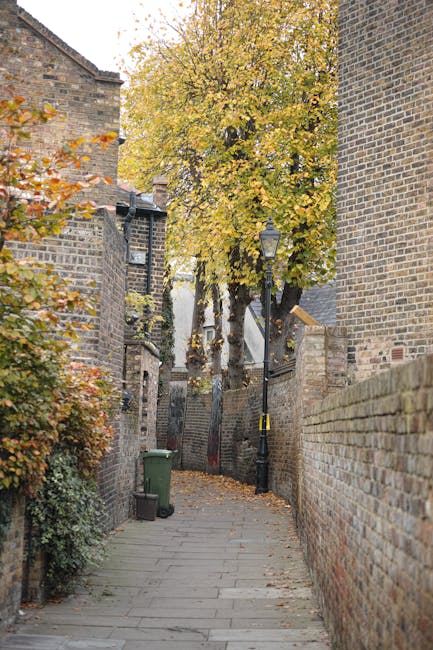
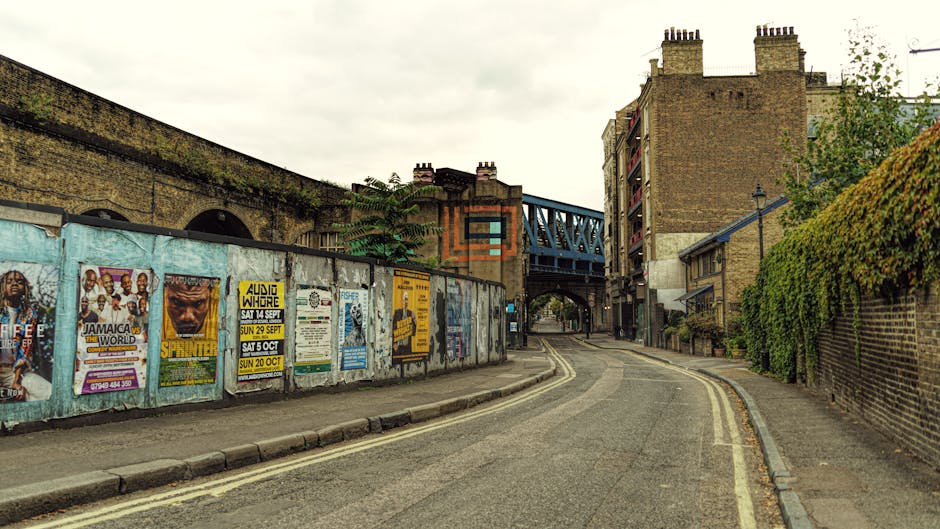
Picture a typical South Wimbledon street: terraced homes, cars parked along both sides, and just enough width for a careful vehicle approach. A family is moving from a first-floor flat with a sofa bed, two wardrobes, boxes of books, and a bike that somehow became the most awkward object in the flat.
At first glance, a medium van seems like the sensible choice. But once the street is checked properly, it becomes clear that parking a larger vehicle directly outside would be difficult. The better plan is to use a smaller van, arrive early, and load in stages. The wardrobe goes first. The sofa bed follows. Boxes are stacked so the carry remains short, and the team keeps the front path clear. Nothing dramatic. Just steady, careful work.
The interesting part is how quickly the move improves once access is respected. The crew is not fighting the road. The family is not worrying about neighbours being blocked in. The day feels calmer because the route in and out was thought through before anyone lifted a single box.
That kind of outcome is not unusual. In our experience, the difference between a stressful narrow-street move and a smooth one often comes down to the first planning conversation. One decent access check can save hours of awkwardness. Sometimes that is all it takes.
Practical Checklist
Use this before your moving day. It is simple, but it works.
- Confirm the full moving address and exact entrance point
- Check whether the street is narrow, one-way, or heavily parked
- Take photos of the frontage and parking area
- Measure any tight doorways, hallways, or stair turns
- List bulky items separately
- Decide whether a small van or larger vehicle is more practical
- Check parking restrictions and likely loading space
- Remove clutter from hallways and front steps
- Protect floors and corners where needed
- Pack essentials separately for the first 24 hours
- Tell the moving team about any access quirks early
- Leave a little time buffer for parked cars, traffic, or weather
If the job is more complex than expected, do not force it. That is the honest answer. A slightly smaller vehicle, a better time slot, or a revised load plan can make the difference between an orderly move and a mildly chaotic one.
Conclusion
Moving in South Wimbledon does not have to be difficult, but narrow streets do reward good planning. If you take the time to check access, choose the right vehicle, and plan around parking and carry distance, the whole process becomes calmer and far more manageable. That is really the heart of this South Wimbledon removals access guide for narrow streets SW19: practical preparation beats guesswork every time.
Whether you are moving a small flat, a family home, or a business property with tricky frontage, the same principle applies. Think about the street first, then the van, then the load order. It sounds almost too basic, but it is the kind of detail that saves time and protects your furniture, your energy, and your schedule.
Get a free quote today and see how much you can save.
And if you are still standing in the doorway wondering how on earth a wardrobe will make that turn, take a breath. With the right plan, even a tight South Wimbledon street can feel a lot more manageable than it first looks.
Frequently Asked Questions
How do I know if my South Wimbledon street is too narrow for a removals van?
The best check is practical, not theoretical. Look at whether a van can stop close enough to the property without blocking traffic or creating an unsafe manoeuvre. Photos, measurements, and a quick street walk are often more useful than guessing from memory.
Should I choose a smaller van for a narrow street in SW19?
Often, yes. A smaller van can be much easier to position and may reduce the risk of delays. If the load is large, you can sometimes split the move rather than forcing a bigger vehicle into a difficult road.
What details should I tell the removal team before moving day?
Tell them about road width, parking restrictions, stair access, steps, tight gates, long carry distances, and any bulky items. The more specific you are, the easier it is for them to plan the correct vehicle and crew setup.
Do I need to arrange parking for a move in South Wimbledon?
In many cases, yes, or at least you should plan for how loading will work. Narrow streets can fill quickly, so access and parking should be checked early rather than left to chance.
What happens if another car blocks access on the day?
It can slow the move, force a temporary wait, or require a different loading position. That is one reason it helps to have a little time buffer and to warn neighbours where appropriate.
Is a man and van service enough for a flat move in a narrow street?
It can be, especially for smaller loads or short local moves. A flexible service such as a man with van option is often practical when access is tight and the load is not huge.
How early should I plan access for a move in SW19?
As early as you can. Even a few days of planning helps, but earlier is better if parking is difficult or the property has awkward access. The aim is to avoid last-minute surprises.
What furniture causes the most problems in narrow streets?
Large sofas, wardrobes, bed frames, mattresses, appliances, and anything awkwardly shaped tend to be the biggest challenge. They are not impossible to move, but they do need more care and a clearer route.
Can a moving company help if my property has a very awkward entrance?
Yes, provided you explain the access clearly in advance. A good team can suggest a better vehicle size, loading method, or timing strategy. Sometimes the fix is simple once the problem is properly described.
Are there rules I should check for parking and loading near my property?
Yes. You should always check the local parking situation and any restrictions that could affect stopping or loading. It is safer to confirm than to assume, especially on streets where space is already tight.
What is the biggest mistake people make with narrow-street removals?
The biggest mistake is underestimating the access issue until moving day. The street, not the house, is often the thing that decides how smooth the move will be.
How can I make my move feel less stressful overall?
Keep the packing organised, clear the entryway, share access details early, and choose a vehicle that suits the road rather than your ideal scenario. Simple steps, done early, tend to take a lot of pressure out of the day.